Gravel Calculator

Gravel Calculator – Estimate Tons, Cubic Yards and Cost

Use this gravel calculator to estimate cubic feet, cubic yards, tons, material cost, delivery cost, tax, bagged gravel, pickup loads, and dump truck loads for driveways, walkways, patios, landscaping, French drains, parking areas, garden beds, and road base projects.

The calculator suggests a common gravel depth based on your project type.

Depth and Gravel Type

Optional Cost Estimator

Optional Bagged Gravel Estimator

Your Gravel Estimate

This estimate is based on the dimensions, depth, gravel type, and extra material percentage you entered. Actual gravel weight may vary based on rock type, moisture, compaction, and supplier.
Gravel Calculator

What Is a Gravel Calculator?

A gravel calculator is an online tool that helps estimate how much gravel, crushed stone, pea gravel, river rock, limestone, road base, or landscape rock you need for a project. Instead of guessing, you can enter your project shape, dimensions, gravel depth, rock type, and extra material percentage to calculate cubic feet, cubic yards, tons, and estimated cost.

This gravel calculator is useful for driveways, walkways, patios, landscape beds, garden paths, French drains, parking areas, road base projects, and other outdoor home improvement jobs. Many homeowners in the United States search for a gravel yardage calculator, gravel tons calculator, gravel cost calculator, gravel driveway calculator, or rock calculator for landscaping before ordering material from a local supplier.

How to Use the Gravel Calculator

Using this gravel needed calculator is simple. Start by choosing your project type, such as driveway, walkway, patio base, landscape bed, French drain, parking area, garden area, road base, or custom project. The tool will automatically suggest a common gravel depth, but you can adjust the depth if your supplier, contractor, or project plan recommends something different.

  1. Choose the project type.
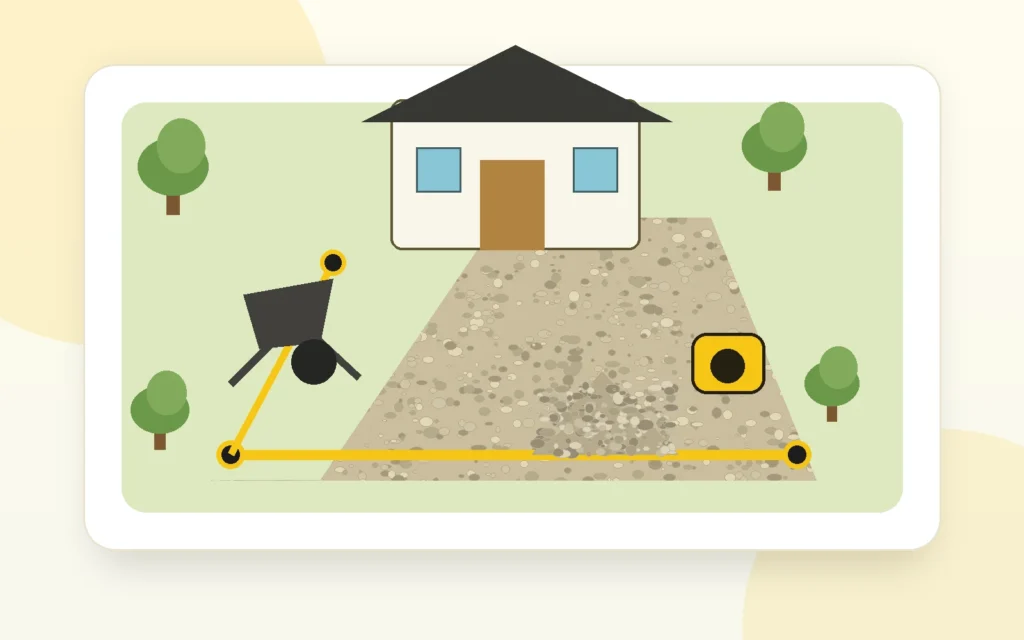
  2. Select the area shape: rectangle, circle, triangle, or custom square feet.
  3. Enter the project dimensions in feet.
  4. Enter the gravel depth in inches or feet.
  5. Choose the gravel type or enter a custom density.
  6. Add extra material percentage. Ten percent is commonly used for waste, compaction, and uneven ground.
  7. Enter optional price, delivery, sales tax, and bag details if you want a cost estimate.
  8. Click “Calculate Gravel” to see cubic yards, tons, bags, and truck load estimates.

How Much Gravel Do I Need?

The amount of gravel you need depends mainly on the size of the area, the depth of gravel, the type of gravel, and whether the material will compact after installation. A small garden path may only need a few bags, while a driveway or parking area may need several cubic yards or tons.

In the United States, gravel suppliers often sell bulk gravel by the cubic yard or by the ton. Cubic yards measure volume, while tons measure weight. This calculator helps convert between both measurements so you can compare quotes from suppliers and estimate how many tons of gravel you need.

Gravel Depth Guide by Project Type

Depth is one of the most important parts of a gravel coverage calculator. A deeper layer requires more cubic yards and more tons. Use the table below as a general starting point.

Project Type Common Gravel Depth
Landscape bed2 inches
Walkway2 to 3 inches
Patio base4 inches
Driveway top layer3 to 4 inches
Driveway base layer4 to 6 inches
Parking area4 to 8 inches
French drain12 inches or more
Road base4 to 8 inches

Common Gravel Types and Uses

Different gravel types have different uses, appearances, drainage performance, and approximate weight per cubic yard. A pea gravel calculator may use a different density than a crushed stone calculator because the rock size, shape, and material can change the final weight.

Gravel Type Common Uses
Pea gravelWalkways, patios, dog runs, decorative areas, and garden paths
Crushed stoneDriveways, drainage, base layers, and construction projects
River rockLandscaping, drainage areas, dry creek beds, and decorative borders
Limestone gravelDriveways, paths, parking areas, and compacted base layers
Decomposed granitePathways, patios, garden areas, and natural-looking landscapes
Road baseDriveway base, parking areas, private roads, and compacted foundations
Marble chipsDecorative landscaping, garden beds, and bright accent areas

Cubic Yards vs Tons of Gravel

Cubic yards and tons are not the same measurement. Cubic yards measure volume, which tells you how much space the gravel fills. Tons measure weight, which tells you how heavy the gravel is. A cubic yards of gravel calculator is helpful when a supplier sells by volume, while a gravel tons calculator is helpful when a supplier sells by weight.

The conversion from cubic yards to tons depends on gravel density. Pea gravel, crushed stone, river rock, limestone gravel, decomposed granite, road base, and marble chips may all have slightly different weights. Moisture, compaction, and the supplier’s material source can also affect the final weight.

Bulk Gravel vs Bagged Gravel

Bagged gravel is convenient for small landscaping repairs, potted plants, garden borders, and short paths. It is easy to transport and does not usually require delivery scheduling. However, bagged gravel often costs more per cubic yard or per ton than bulk gravel.

Bulk gravel is usually better for larger projects such as driveways, patios, parking areas, French drains, and large landscape beds. If your project requires several cubic yards of gravel, ordering bulk material from a local supplier can save time and money.

How Much Does Gravel Cost?

Gravel cost depends on the rock type, supplier, delivery distance, local availability, order size, and whether you buy the gravel in bags, tons, or cubic yards. Decorative landscape rock and marble chips may cost more than standard driveway gravel or road base.

This gravel cost calculator gives an estimate only. For the most accurate price, ask your local supplier whether the material is priced per ton, per cubic yard, or per bag. Also ask about delivery fees, minimum order quantities, fuel charges, and local sales tax.

Why Add Extra Gravel?

Adding 5% to 15% extra gravel helps cover common project issues such as compaction, spreading loss, uneven ground, settling, and small measurement errors. Ten percent extra is a practical default for many projects. For irregular areas, sloped ground, or deep base layers, you may want to use a higher extra percentage.

Gravel Calculator FAQs

How do I calculate how much gravel I need?

Calculate the area in square feet, multiply by the gravel depth in feet to get cubic feet, then divide by 27 to get cubic yards. To estimate tons, multiply cubic yards by the tons-per-cubic-yard density of your gravel type.

How many square feet does one cubic yard of gravel cover?

One cubic yard covers about 324 square feet at 1 inch deep, 162 square feet at 2 inches deep, 108 square feet at 3 inches deep, and 81 square feet at 4 inches deep.

How many tons are in a cubic yard of gravel?

Many common gravel types weigh about 1.35 to 1.60 tons per cubic yard. The exact number depends on the rock type, moisture, size, and compaction.

How deep should gravel be for a driveway?

A driveway top layer is often 3 to 4 inches deep. A driveway base layer may need 4 to 6 inches or more depending on soil conditions, traffic, and project design.

How much gravel do I need for a walkway?

For a walkway, enter the length and width of the path, then use a depth of about 2 to 3 inches. The calculator will estimate cubic yards, tons, and cost.

Should I order extra gravel?

Yes, ordering 5% to 15% extra is often helpful. Extra gravel can cover compaction, uneven ground, spreading loss, and small measurement mistakes.

Is gravel sold by the ton or cubic yard?

In the United States, bulk gravel may be sold by either the ton or cubic yard. Some suppliers also sell small quantities in bags.

Is bagged gravel better than bulk gravel?

Bagged gravel is convenient for small projects, while bulk gravel is usually better for larger driveways, patios, landscape beds, parking areas, and drainage projects.

Can this calculator estimate pea gravel?

Yes. Select “Pea Gravel” from the gravel type dropdown to use an approximate density of 1.40 tons per cubic yard.

Can this calculator estimate crushed stone?

Yes. Select “Crushed Stone” from the gravel type dropdown to estimate crushed stone volume, tons, cost, bags, and truck loads.

Does gravel weight vary by type?

Yes. Gravel weight varies by rock type, moisture, compaction, size, and supplier. This calculator uses common approximate densities for estimating purposes.

Is this gravel estimate exact?

No. This calculator provides an estimate. Actual material needed may vary based on ground conditions, compaction, installation method, moisture, and supplier measurements.