About Protein Calculator – How Much Protein Do I Need Per Day?
This calculator estimates how many grams of protein may suit your day. It uses body weight, fitness goal, activity level, diet pattern, meals and snacks to create a practical target rather than a one-size-fits-all number.
Treat the result as a useful planning point. You can compare food choices, spread protein across the day and adjust the numbers to match your routine without turning every meal into a complicated calculation.
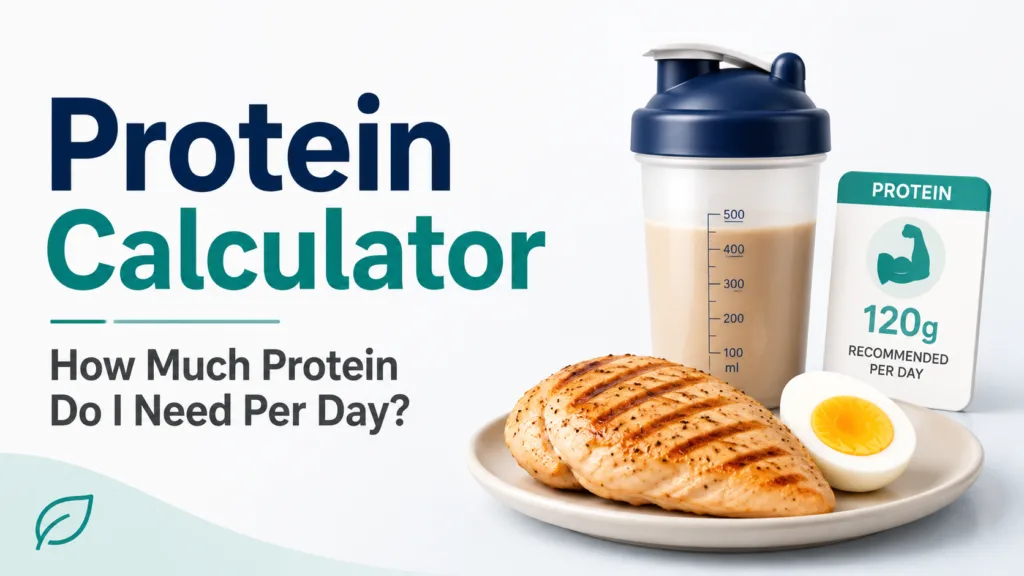
How Much Protein Do I Need Per Day?
The question “how much protein do I need” depends on several factors. Sedentary adults usually need less protein than highly active adults, athletes, people doing resistance training, and people trying to maintain muscle while reducing calories. A daily protein calculator by weight is useful because body size is one of the most important inputs when estimating protein requirements.
This grams of protein per day calculator uses goal-based ranges. For general health, the estimate is lower. For protein for muscle gain, strength training, fat loss, endurance training, and healthy aging, the calculator uses higher ranges because active lifestyles and specific fitness goals often require more attention to protein distribution.
Read the complete Protein guide
Protein Calculator – How Much Protein Do I Need Per Day? for Weight Loss
A protein calculator for weight loss can help you plan meals that feel more satisfying. Protein may help support fullness and muscle maintenance while following a calorie-controlled diet. This does not mean protein automatically causes weight loss, but it can be a useful part of a balanced plan that also considers calories, fiber, sleep, activity, and overall food quality.
If your goal is protein for fat loss, choose the “Lose weight” option in the calculator. The result will estimate a daily protein range and show how to divide your target across meals and snacks.
Protein Calculator – How Much Protein Do I Need Per Day? for Muscle Gain
A protein calculator for muscle gain is helpful for people doing resistance training, lifting weights, or trying to build lean muscle. People who train regularly usually need more protein than sedentary people. This macro protein calculator estimates a higher protein range for muscle gain and strength training goals.
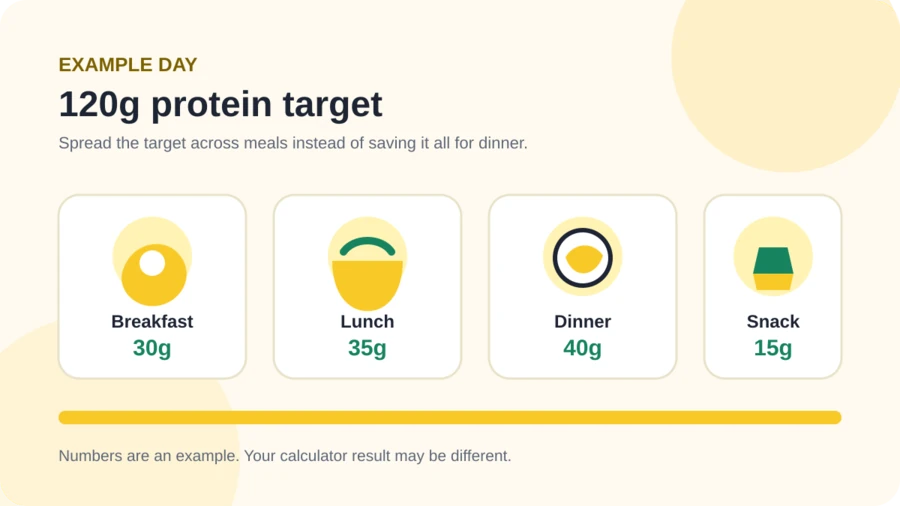
Spreading protein across meals can make the target easier to reach. Instead of trying to eat most of your protein at dinner, you can include protein at breakfast, lunch, dinner, and snacks.
Protein Calculator for Women
Protein for women can support everyday nutrition, active lifestyles, strength training, weight management, and general wellness goals. Women may use this daily protein calculator for general health, fat loss, muscle gain, postpartum fitness in a general lifestyle context, or to plan balanced meals around a busy schedule.
Individual needs vary, so this tool gives a practical estimate rather than a personalized medical nutrition plan. Women with pregnancy-related nutrition questions or medical conditions should seek individualized guidance from a qualified professional.
Protein Calculator for Men
Protein for men is commonly searched by people focused on muscle gain, fat loss, strength training, sports performance, and maintaining body weight. This protein requirement calculator can estimate a daily protein target and show how that number looks per pound and per kilogram of body weight.
Men who train intensely or have physical jobs may select the “Very active” or “Athlete / intense training” activity level and choose a goal such as muscle gain, strength training, or endurance training.
Protein Needs by Body Weight
Body weight is a major factor in estimating protein needs. The table below shows sample body weights and broad approximate protein ranges. Your exact target depends on goal, activity level, age, diet type, and preferences.
| Body Weight | Approximate Protein Range |
|---|---|
| 120 lb | 44–96g per day |
| 140 lb | 51–112g per day |
| 160 lb | 58–128g per day |
| 180 lb | 65–144g per day |
| 200 lb | 73–160g per day |
| 220 lb | 80–176g per day |
Best High-Protein Foods
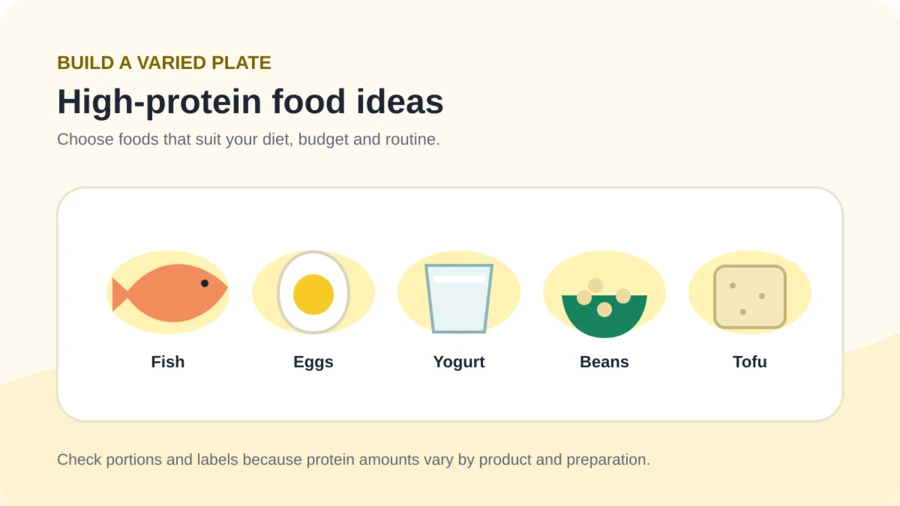
The best protein foods depend on your diet type, budget, taste, and cooking habits. Common high protein foods include lean meats such as chicken breast and turkey, fish such as salmon and tuna, eggs, dairy foods such as Greek yogurt and cottage cheese, beans, lentils, soy foods, nuts, seeds, and protein powder.
A balanced high-protein eating pattern can include both animal and plant-based foods. Whole foods also provide additional nutrients such as fiber, healthy fats, vitamins, and minerals.
Plant-Based Protein Options
Vegan and vegetarian users can still reach a strong daily protein intake with planning. Useful plant-based protein options include lentils, chickpeas, black beans, tofu, tempeh, edamame, soy milk, pumpkin seeds, peanut butter, nuts, and protein-rich whole grains.
If you follow a vegan or vegetarian diet, choose that diet type in the calculator to update the high-protein food suggestions table.
Protein Per Meal
Protein per meal matters because a daily target is easier to follow when it is broken into smaller meals and snacks. For example, if your target is 120g per day and you eat 3 meals, you can aim for around 35–40g per meal, with snacks making up the rest.
This protein per meal calculator gives snacks a smaller portion and divides the remaining protein among meals. You can change the number of meals and snacks to see a plan that fits your routine.
Protein Powder vs Whole Food
Protein powder can be convenient, especially for busy mornings, post-workout shakes, or days when it is hard to reach your protein goal through meals alone. However, protein powder is not required. Whole foods can help meet your protein needs while also providing additional nutrients.
Use the protein powder calculator section to estimate how many scoops may be needed after counting the protein you have already eaten today. If you have reached your daily target, the tool will show that no additional scoops are needed.
Can You Eat Too Much Protein?
Many healthy people can include higher-protein diets as part of a balanced eating pattern. However, more is not always better for every person. People with kidney disease, liver disease, or other medical conditions should speak with a healthcare professional before making major nutrition changes.
This protein needs calculator is best used as an educational planning tool. It should be combined with common sense, food variety, hydration, and a balanced intake of carbohydrates, fats, fiber, vitamins, and minerals.
How to Use Protein Calculator – How Much Protein Do I Need Per Day?
- Select your unit system.
- Enter your age, gender, weight, and height.
- Choose your activity level.
- Select your goal.
- Choose your diet type.
- Enter meals and snacks.
- Click calculate.
- Review your protein target and food suggestions.
Protein Calculator – How Much Protein Do I Need Per Day? FAQs
Protein Calculator – How Much Protein Do I Need Per Day? Disclaimer
This protein calculator is for general educational purposes only. It provides an estimate based on the information you enter and does not save your data. Nutrition needs can vary based on health status, medications, training load, body composition, food preferences, and medical history. For personal nutrition advice, speak with a qualified healthcare professional or registered dietitian.