The Mental Health Benefits of Nature: What You Should Know
In today’s fast-paced world, it’s easy to forget the simple joys that nature can offer. However, the mental health benefits of nature are significant and worth exploring. Spending time outdoors can profoundly impact your emotional health, reduce stress, and promote mindfulness. In this article, we’ll delve into how engaging with nature can boost your mental well-being.
Understanding the Connection Between Nature and Mental Health
Research indicates that spending time in natural environments can enhance mood and psychological well-being. Here are some of the key mental health benefits:
- Stress Relief: Nature provides a tranquil environment that can help lower stress levels. The sights and sounds of nature can evoke feelings of calm.
- Improved Mood: Regular exposure to nature has been linked to reduced symptoms of anxiety and depression.
- Enhanced Focus: Spending time in nature can improve attention spans and cognitive performance.
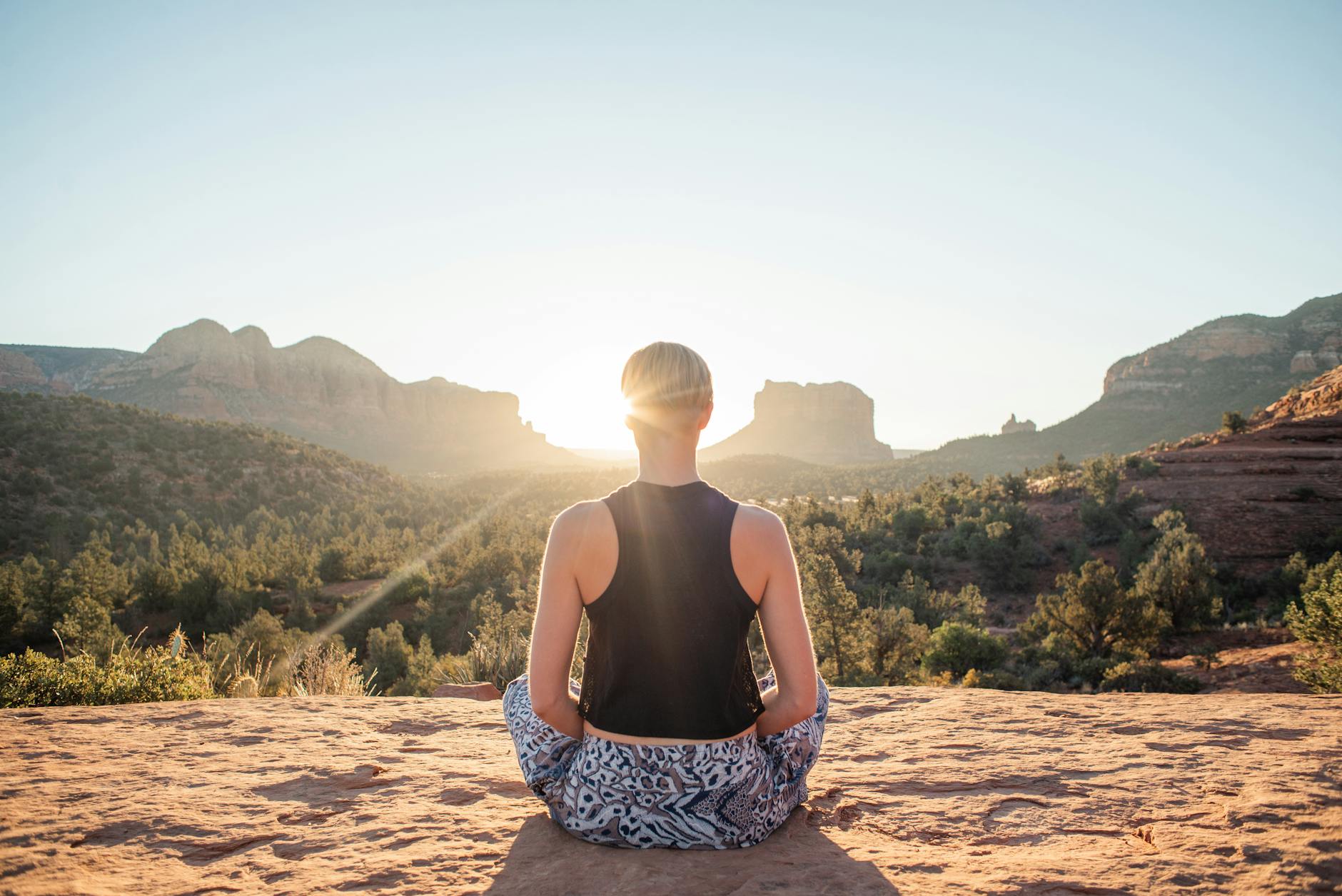
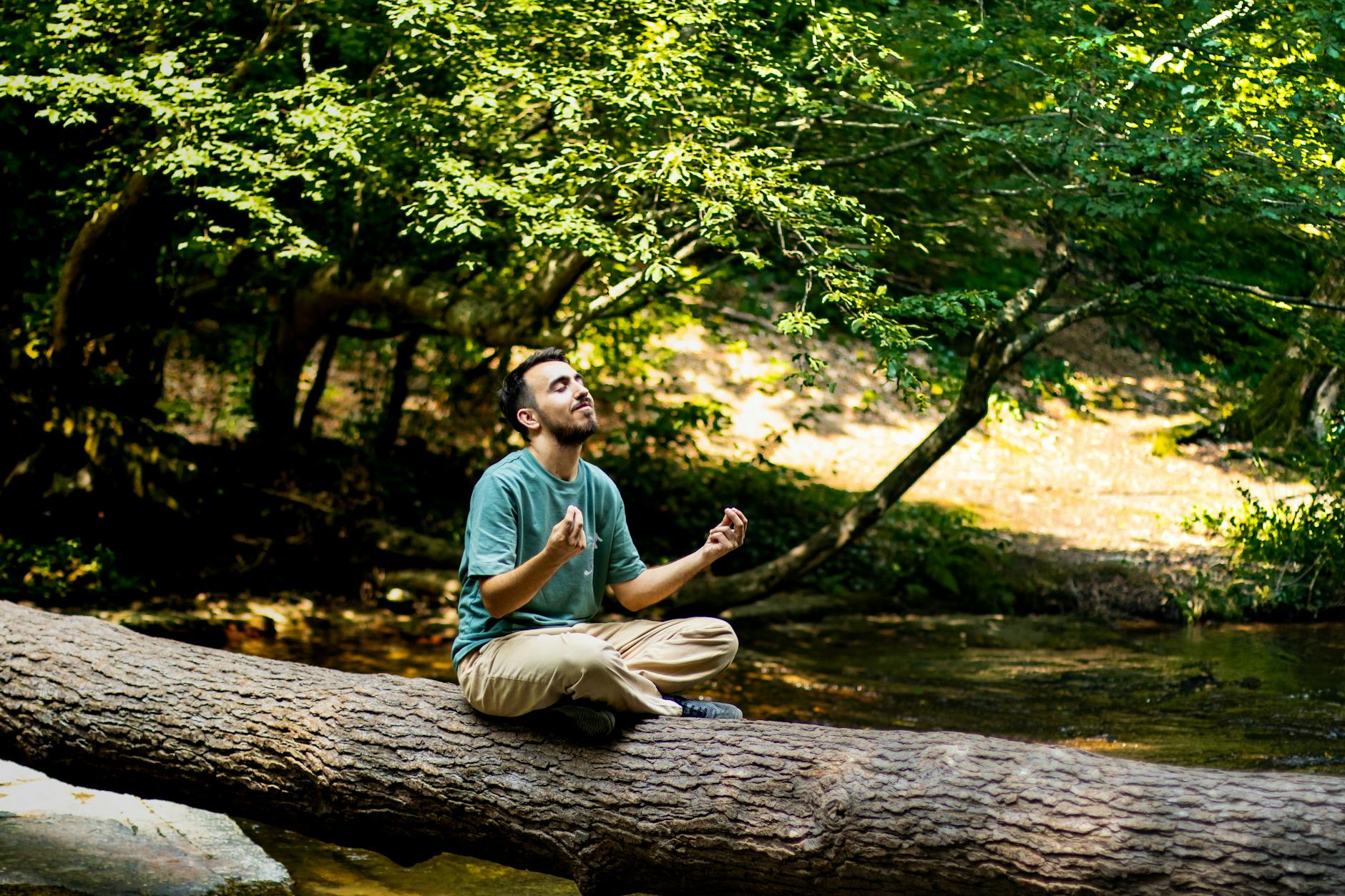
- Mindfulness: Nature encourages mindfulness, allowing individuals to be present and fully engaged in the moment.
How Nature Therapy Works
Nature therapy refers to therapeutic practices that utilize natural environments to promote healing and mental wellness. This can include activities such as hiking, gardening, or simply taking a walk in a park. Here’s how it works:
- Engagement with Nature: Actively participating in nature can help distract from daily stressors and negative thoughts.
- Physical Activity: Many outdoor activities involve physical movement, which is known to release endorphins and improve overall mood.
- Connection with the Environment: Being in nature fosters a sense of connection to the world, which can enhance feelings of belonging and purpose.
Practical Ways to Incorporate Nature into Your Life
To reap the mental health benefits of nature, you don’t need to go on an extensive retreat. Here are some simple ways to bring nature into your daily routine:
- Take Regular Walks: Aim for a daily walk in a nearby park or nature trail. This can be a great way to practice mindfulness while enjoying the outdoors.
- Gardening: Whether you have a backyard or just a few pots, gardening can be therapeutic and rewarding.
- Nature Sounds: If you can’t get outside, listening to recordings of nature sounds can help create a calming atmosphere indoors.
- Mindful Observation: Spend time observing natural elements around you, such as trees, flowers, or wildlife. This simple act can enhance your mindfulness.
The Impact on Emotional Health
Engaging with nature not only provides stress relief but also plays a vital role in improving emotional health. Here’s how:
- Increased Self-Esteem: Achievements in nature-related activities can boost confidence and self-worth.
- Reduced Anxiety: Nature has a calming effect, which can help alleviate feelings of anxiety and promote relaxation.
- Social Connections: Participating in nature activities with others can strengthen social bonds and reduce feelings of isolation.
Concluding Thoughts
Integrating nature into your daily life can significantly enhance your mental well-being. The mental health benefits of nature are clear—from stress relief to improved emotional health. By incorporating simple activities that connect you with the natural world, you can cultivate mindfulness and create a more balanced life.
So, the next time you feel overwhelmed, consider stepping outside. Whether it’s a stroll in the park or just sitting under a tree, nature awaits to support your mental health journey.
Remember, even small moments in nature can lead to substantial improvements in your well-being. Start today and experience the transformative power of the great outdoors.
Disclaimer: This article is for general informational purposes only and should not be considered medical advice. Please consult a qualified healthcare professional before making health-related decisions.