Understanding the Importance of Mental Health
Mental health is a crucial part of our overall well-being. In today’s fast-paced world, many individuals struggle with stress, anxiety, and other mental health challenges. Finding effective tools to help manage these issues is essential for maintaining balance and promoting wellness.
The Rising Popularity of a Unique Mental Health Tool
One mental health tool that is gaining significant traction is mindfulness meditation. This practice encourages individuals to focus on the present moment and cultivate a sense of awareness. By engaging in mindfulness meditation, people can improve their mental health, enhance their self-awareness, and promote self-improvement.
What is Mindfulness Meditation?
Mindfulness meditation involves several key principles:
- Focus on the present: Mindfulness encourages you to concentrate on your current thoughts and feelings without judgment.
- Observation: It involves observing your thoughts as they come and go, allowing you to detach from negative patterns.
- Breath awareness: Paying attention to your breath helps ground you and brings your focus back to the present.
Benefits of Mindfulness as a Mental Health Tool
Incorporating mindfulness meditation into your daily routine can lead to numerous benefits, including:
- Reduced stress levels
- Improved emotional regulation
- Enhanced focus and concentration
- Better relationships through increased empathy
- Increased resilience to life’s challenges
Mindfulness Techniques to Get Started
If you’re looking to integrate this mental health tool into your life, here are some simple techniques:
1. Start Small
Begin with just a few minutes a day. Gradually increase the duration as you become more comfortable with the practice.
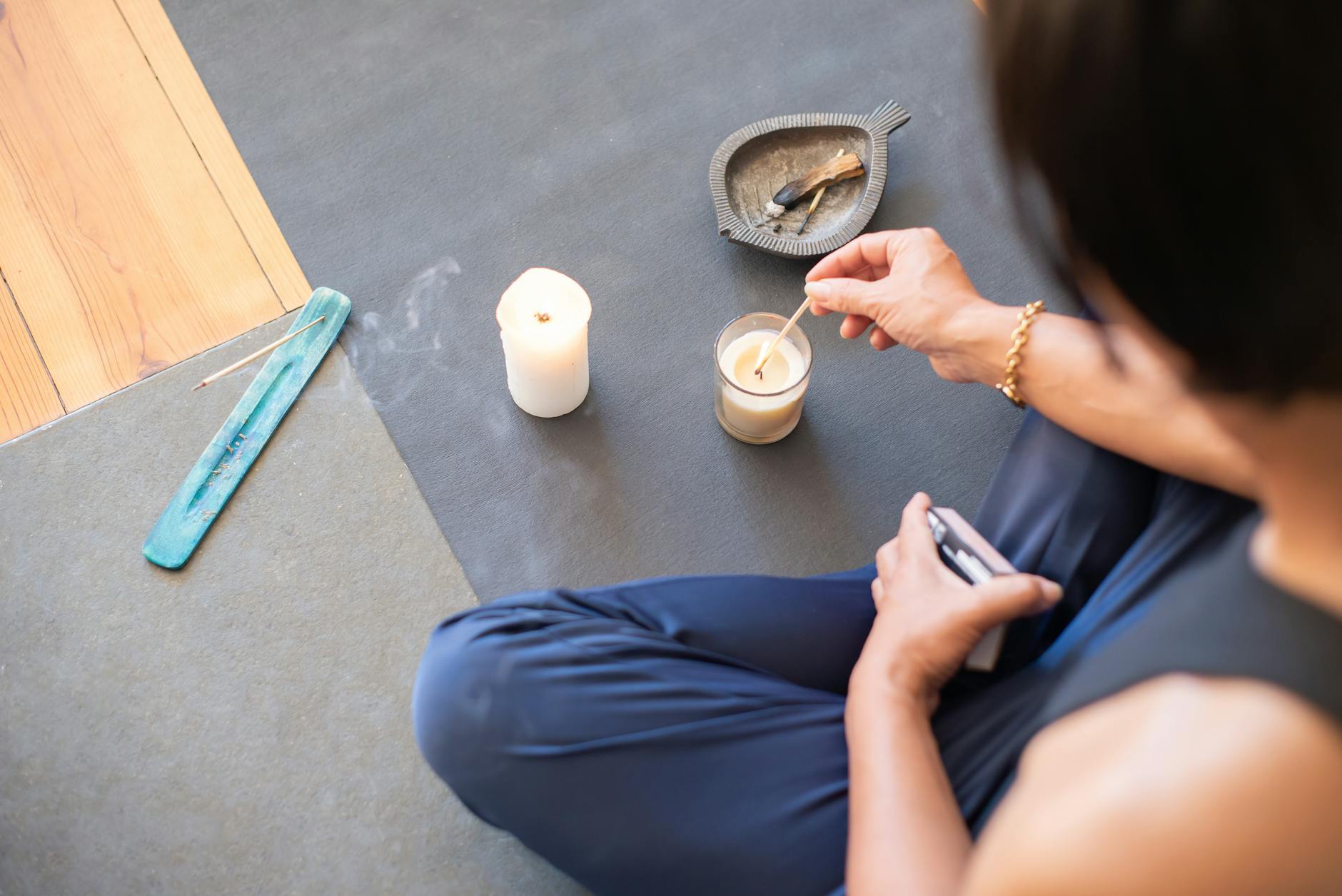
2. Create a Dedicated Space
Designate a quiet area in your home for meditation. This space should be free from distractions and conducive to relaxation.
3. Use Guided Meditations
Consider using apps or online resources that offer guided meditations to help you stay focused and motivated.
4. Practice Regularly
Consistency is key. Try to incorporate mindfulness into your daily routine, whether it’s in the morning, during lunch, or before bed.
Combining Mindfulness with Therapy
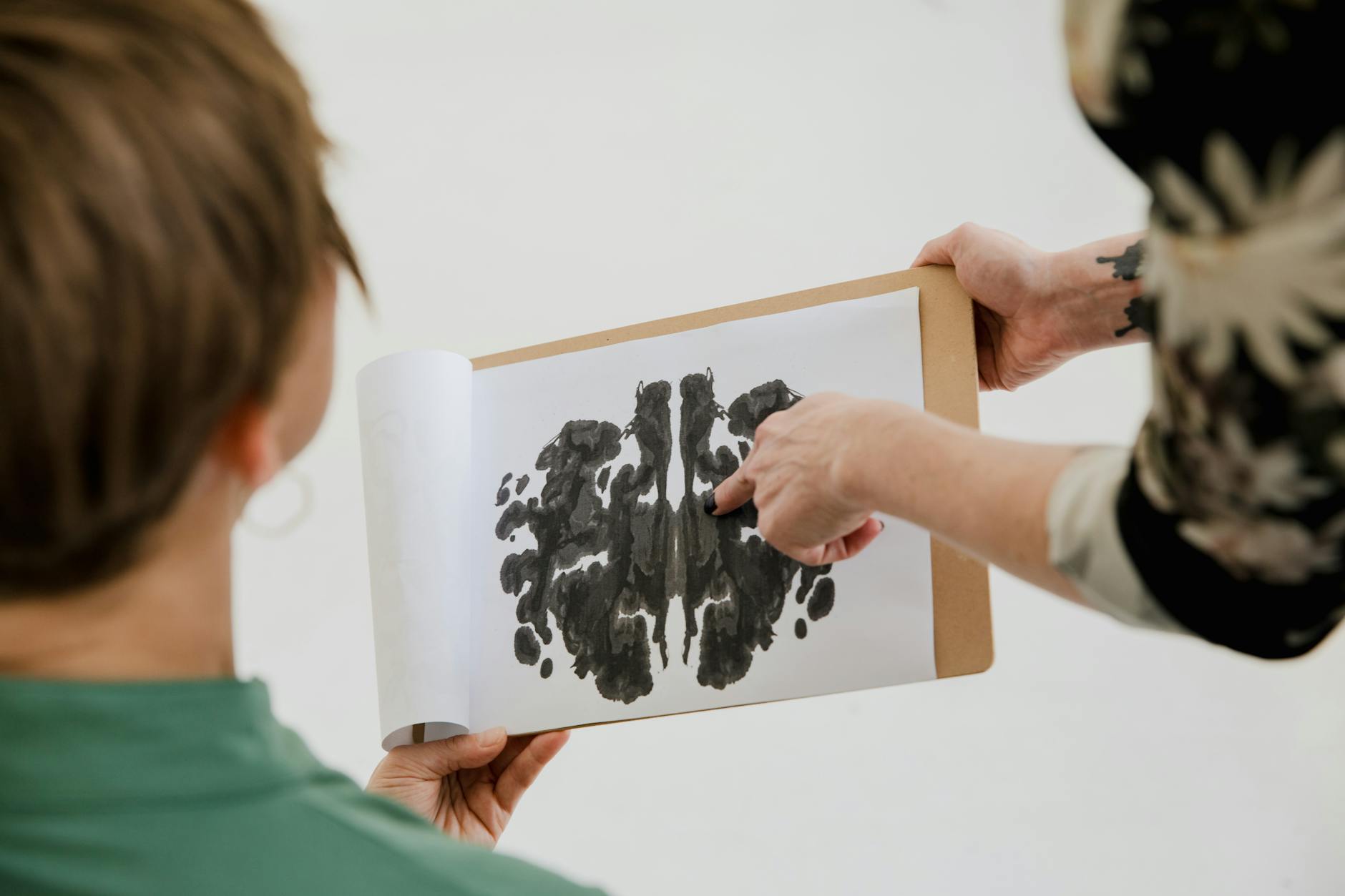
For those seeking additional support, combining mindfulness techniques with traditional therapy can be incredibly beneficial. Many therapists incorporate mindfulness exercises into their sessions, helping clients develop coping strategies and improve their mental health.
Why Therapy with Mindfulness Works
- It enhances self-awareness, enabling clients to recognize and address their emotions.
- It provides practical tools to manage anxiety and stress during therapy sessions.
- It fosters a deeper connection between the therapist and client, promoting a safe space for healing.
Self-Improvement Through Mindful Living
Mindfulness isn’t just a mental health tool; it’s a way to improve your overall lifestyle. Here are some strategies for applying mindfulness to everyday life:
1. Mindful Eating
Pay attention to the flavors, textures, and sensations of your food. This practice can enhance your relationship with food and promote healthier eating habits.
2. Mindful Movement
Incorporate mindfulness into your exercise routine. Whether it’s yoga, walking, or any physical activity, focus on how your body feels.
3. Journaling
Writing down your thoughts and feelings can help clarify your emotions and promote mindfulness in your daily life.
Conclusion
The mental health tool of mindfulness meditation is transforming lives by promoting wellness and self-improvement. By practicing mindfulness, you can gain a new perspective on challenges and enhance your overall mental health. Remember, integrating this tool into your life takes time and patience, but the benefits are well worth the effort.
Take the first step today towards a more mindful, balanced life!
Disclaimer: This article is for general informational purposes only and should not be considered medical advice. Please consult a qualified healthcare professional before making health-related decisions.