What is Menstruation?
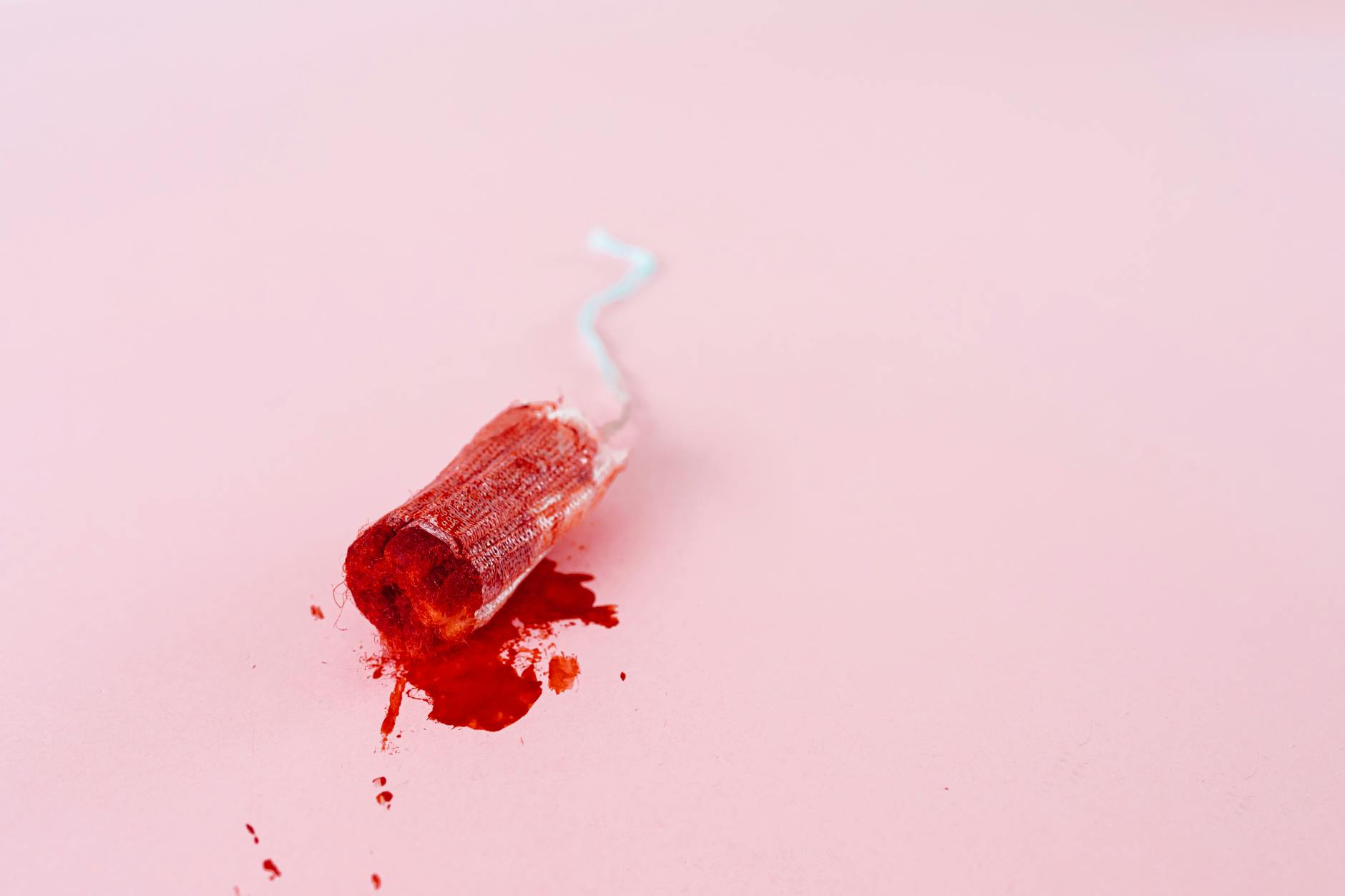
Menstruation is a natural process that happens in the bodies of many girls and women. It usually starts between ages 9 to 16 and continues until menopause, which is around age 50. During menstruation, the body sheds the lining of the uterus, and this can cause bleeding through the vagina. It’s completely normal and part of being a woman.
Menstruation Facts You Should Know
Here are some interesting menstruation facts that can help you understand your body better:
- The average menstrual cycle lasts about 28 days, but it can range from 21 to 35 days.
- Each period usually lasts from 3 to 7 days.
- Some girls may experience cramps, which are pains in the lower belly, during their period.
- Stress, exercise, and diet can affect your menstrual cycle.
- Tracking your cycle can help you understand your body and prepare for your period.
Cycle Awareness
Cycle awareness is knowing how your body works during your menstrual cycle. You can learn about:
- Your cycle length
- When you usually get your period
- What your flow is like (light, medium, or heavy)
Tracking your cycle can help you notice patterns. For example, you might find that your periods are heavier during certain months or that you feel more tired before your period starts. This can help you plan your activities better!
Real-Life Example
Let’s say you have a friend named Sarah. She always feels extra tired and has a lot of cramps before her period starts. By tracking her cycle, she learns that her period comes every 28 days and lasts 5 days. Now, she knows to take it easy during that time. She prepares by having her favorite snacks and heating pads ready. This way, Sarah feels more in control and less surprised by her symptoms!
Period Tips for Better Menstrual Health
Here are some helpful period tips to make your menstruation experience better:
- Stay Hydrated: Drink plenty of water. It can help reduce bloating.
- Eat Healthy: Fruits, vegetables, and whole grains can help your body feel good.
- Rest: Don’t forget to take breaks when you feel tired.
- Exercise: Gentle exercises like walking or stretching can help with cramps.
- Talk: If you have questions or feel worried, talk to a trusted adult or a doctor.
Why Menstrual Health Matters
Understanding menstruation and taking care of your menstrual health is important for every woman. It helps you feel good and stay healthy. When you know your body better, you can make better choices. It also helps to reduce any worries or fears about periods!
Conclusion
Menstruation is a normal part of growing up. By learning about menstruation facts and practicing cycle awareness, you can feel more confident about your body. Remember, it’s okay to talk about your period and ask questions. Taking care of your menstrual health is a gift to yourself!
Always listen to your body and reach out for help when you need it. You are not alone in this journey!
Disclaimer: This article is for general informational purposes only and should not be considered medical advice. Please consult a qualified healthcare professional before making health-related decisions.