Use Mulch Calculator to estimate mulch for garden beds, tree rings, and landscaping projects. Get cubic yards, bags, and an optional cost comparison.
No sign-upInstant resultsBulk and bag estimates
Enter your project measurements
Choose the bed shape, depth, and bag size. Cost fields are optional.
A practical guide to planning your mulch order
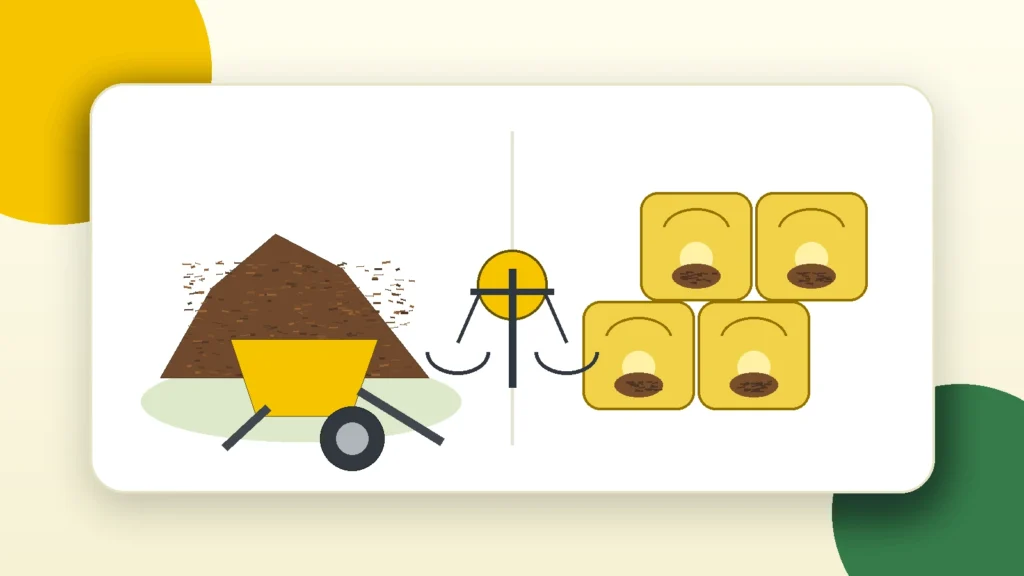
Mulch is sold in two different ways: loose material is usually priced by the cubic yard, while store-bought
bags are labelled in cubic feet. That makes a quick garden measurement feel more complicated than it should.
This page converts the same project into both units, then rounds the purchase amount so you can buy a usable quantity.
Start with the calculator above. The guide below explains the measurements, common depths, and cost choices without
burying the tool under a very long article.
Useful rule of thumb
One cubic yard covers about 108 square feet at a depth of 3 inches. Curved beds, uneven ground, and settling are good reasons
to keep the 10% extra setting selected.
How to use Mulch Calculator
Choose the shape that most closely matches the area.
Enter the measurements and select feet, inches, or yards.
Choose the depth. Two inches is often enough for a refresh; three inches is common for a new bed.
Select the bag size shown on the product you plan to buy.
Add prices only when you want a bagged-versus-bulk cost comparison.
Select Calculate, then copy or print the result if you need it while shopping.
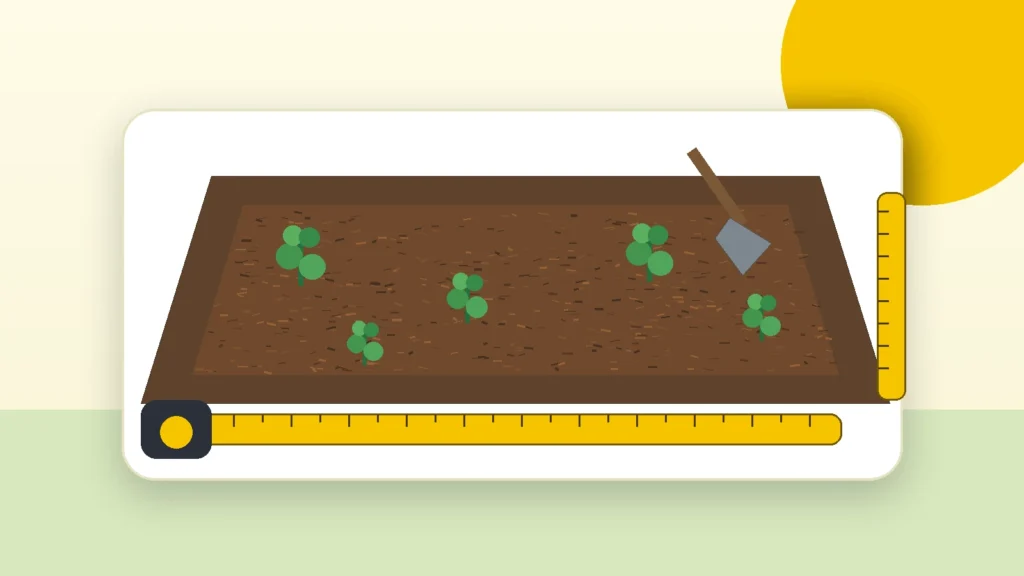
Measure the usable bed area, not the full yard. Separate irregular spaces into smaller shapes when needed.
How the mulch calculation works
The calculator first turns your measurements into square feet. A rectangle uses length × width. A circle uses
π × radius². A triangle uses base × height ÷ 2. A tree ring is the area of the large circle minus the open circle
around the trunk. The selected depth then changes area into volume.
Cubic feet: square feet × depth in inches ÷ 12
Cubic yards: square feet × depth in inches ÷ 324
Number of bags: cubic feet ÷ bag size, rounded up to a whole bag
The extra percentage is added after the base volume is calculated. Bulk orders are rounded up to the nearest quarter-yard,
which is a common practical ordering increment. Your local supplier may use a different minimum.
Choosing the depth
1 inch: a light cosmetic top-up where a healthy layer already exists.
2 inches: a normal refresh for established beds.
3 inches: a useful starting point for bare soil or a new installation.
4 inches: heavier coverage, best used only where the plants and drainage can handle it.
Measuring irregular beds
Divide the bed into simple rectangles, circles, or triangles. Calculate each part and add the areas together.
For several identical rectangles, use the multiple-area option. For different sizes, run the calculator once
for each section and add the recommended amounts.
Bagged mulch is easy to transport in small quantities; bulk delivery is often more practical for larger beds.
Bulk mulch or bags?
Bags are tidy, easy to store, and convenient when a project can be completed in a few trips from the car. Bulk mulch usually
makes more sense when you are covering a large front yard, several beds, or a commercial space. Price alone is not the full
decision: delivery access, cleanup, storage, and the effort of moving the material all matter.
For a fair comparison, enter the actual bag price, the supplier’s price per cubic yard, delivery, and local sales tax.
The calculator applies tax to the entered totals and shows the estimated difference. Treat the result as a planning estimate;
suppliers may round quantities or calculate tax differently.
Coverage chart
Mulch amount
Depth
Approximate coverage
1 cubic yard
1 inch
324 sq ft
1 cubic yard
2 inches
162 sq ft
1 cubic yard
3 inches
108 sq ft
1 cubic yard
4 inches
81 sq ft
Bag conversion chart
Bulk equivalent
Bag size
Equivalent bags
1 cubic yard
1 cu ft
27 bags
1 cubic yard
1.5 cu ft
18 bags
1 cubic yard
2 cu ft
13.5 bags
1 cubic yard
3 cu ft
9 bags
Worked examples
20 × 10 ft bed at 3 inches
The area is 200 square feet. The base volume is 200 × 3 ÷ 324 = 1.85 cubic yards.
With 10% extra, the estimate is about 2.04 cubic yards.
250 sq ft bed at 2 inches
The base volume is 250 × 2 ÷ 324 = 1.54 cubic yards. With 10% extra, it becomes about
1.70 cubic yards, or roughly 23 two-cubic-foot bags.
Before you place the order
Remove weeds and decide whether the old mulch will stay or be removed.
Keep mulch away from direct contact with tree trunks and plant stems.
Check the bag volume rather than assuming every bag is the same size.
Ask a bulk supplier about the smallest delivery, delivery access, and rounding policy.
Buy enough in one batch when color consistency matters.
Frequently asked questions
How much does one cubic yard of mulch cover?
About 324 square feet at 1 inch, 162 square feet at 2 inches, 108 square feet at 3 inches, or 81 square feet at 4 inches.
How many 2-cubic-foot bags equal one cubic yard?
One cubic yard is 27 cubic feet, so it equals 13.5 bags containing 2 cubic feet each. In practice, you would buy 14 full bags.
Should I use 2 or 3 inches of mulch?
Two inches is usually enough for an existing bed that already has some mulch. Three inches is a common choice for bare soil or a new installation.
How much extra should I add?
Five to fifteen percent is a sensible planning range. Ten percent works well for many home projects with curves, minor measurement differences, or settling.
Can I calculate mulch for a tree ring?
Yes. Enter the outer and inner diameters. The tool subtracts the open center from the full circular area.
Can I use this for playground surfacing?
The volume calculation can provide a rough estimate, but playground surfacing has safety-depth and material requirements. Follow the product manufacturer and local safety guidance.